Built on belief

Veterans are not a problem to be solved — they are a force for renewal

People before everything

A small group of friends started Eden Aid in 2022 — helping Ukrainians flee the war and delivering aid across the border.

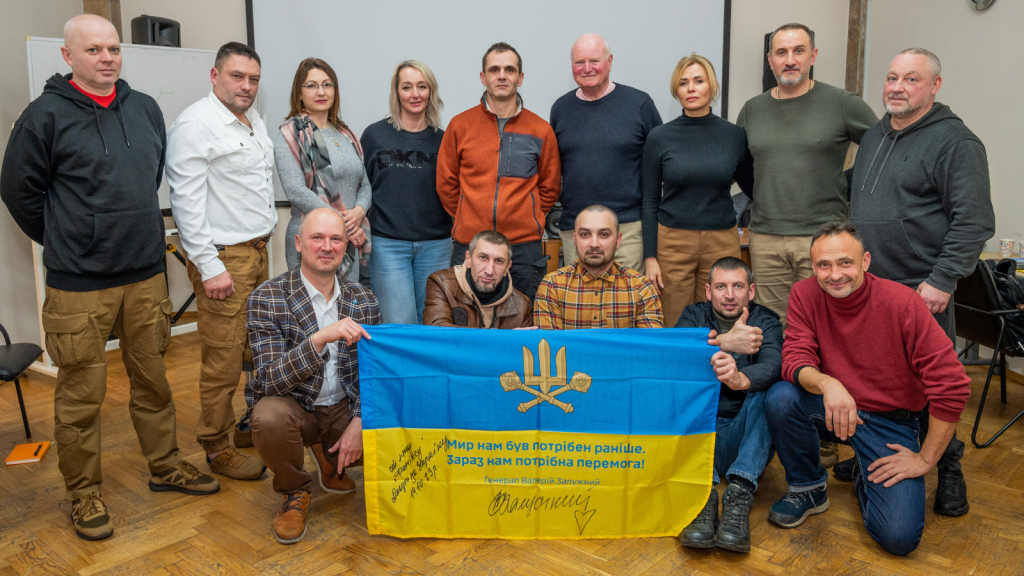
Today, through the Hopeful Future programme, we support the veterans who fought it — helping them find new beginnings after the front.

The scale of a challenge

Ukraine is preparing for the return of up to 1.8 million veterans from active service.

The system is not ready. There are only 3.3 mental health professionals per 100,000 people in Ukraine. And many veterans will never seek clinical help — because asking for help is not what soldiers do. What most of them carry is not PTSD. It is moral injury: the soul wound of service.

Invisible wounds

Moral injury, survivor’s guilt, worthlessness, desperation, loss of direction and meaning.

Broken connections

Alienation from family, society and self. Veterans struggle in silence, unseen.

Systemic risk

Unprocessed trauma leads to burnout, addiction, broken families and social instability.

What is moral injury — and why does it matter?

Moral injury is the wound that comes from witnessing or doing things that violate your deepest sense of right and wrong, the loss of the person you thought you were. In strong people it leads to shame. And shame drives people inward — away from help, away from others, away from themselves.

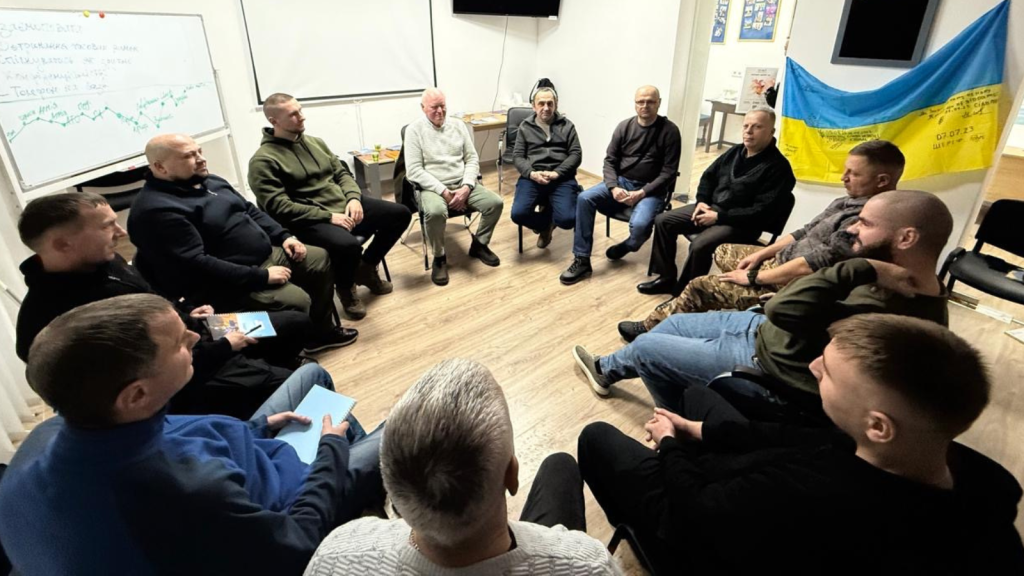
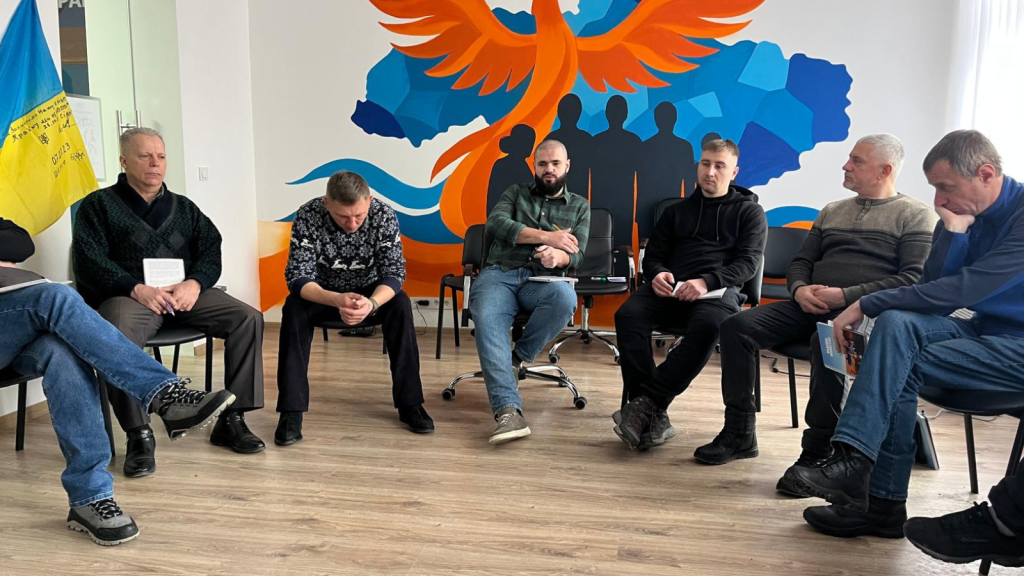
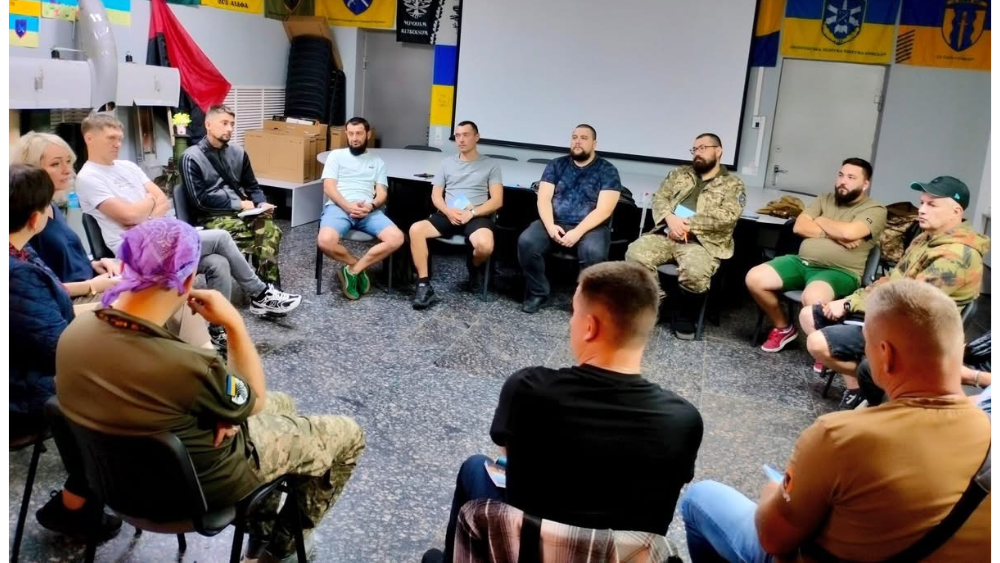
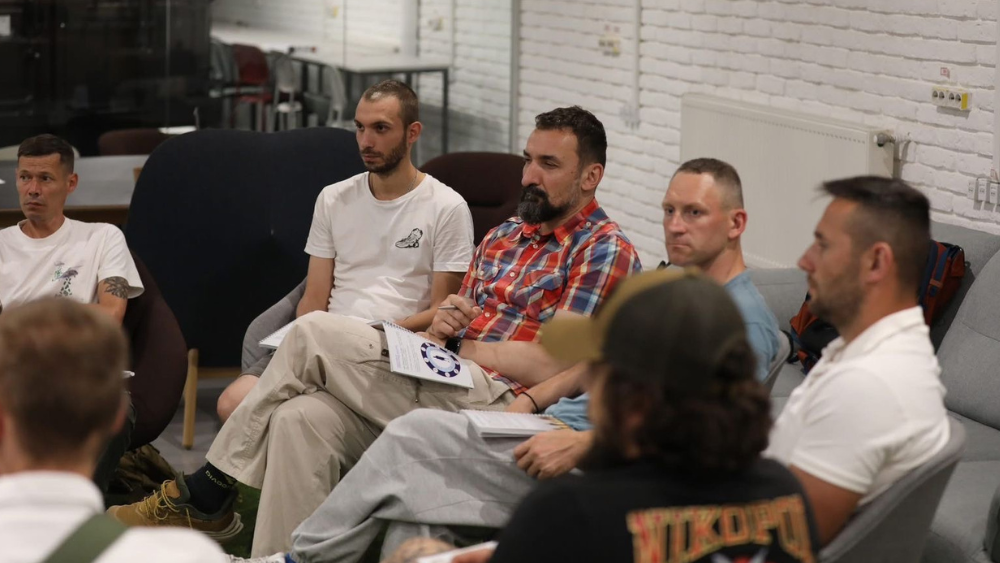
Moral injury is healed through restored connection: the experience of being genuinely understood by people who have been through the same. Research confirms that peer-led group programmes are as effective as, or more effective than, individual therapy for moral injury recovery.

Beyond healing – to growth

Post-traumatic growth is a well-documented psychological phenomenon. For veterans, this can mean a renewed sense of purpose, deeper and more honest relationships, a greater appreciation for life, and a recognition of personal strength they didn’t know they had. Many also go through a profound change of values and priorities — towards responsibility, leadership, helping others.

“I am who I am not despite what has happened to me, but because of what has happened to me.”

This is what Hopeful Future is built on.

Built on evidence


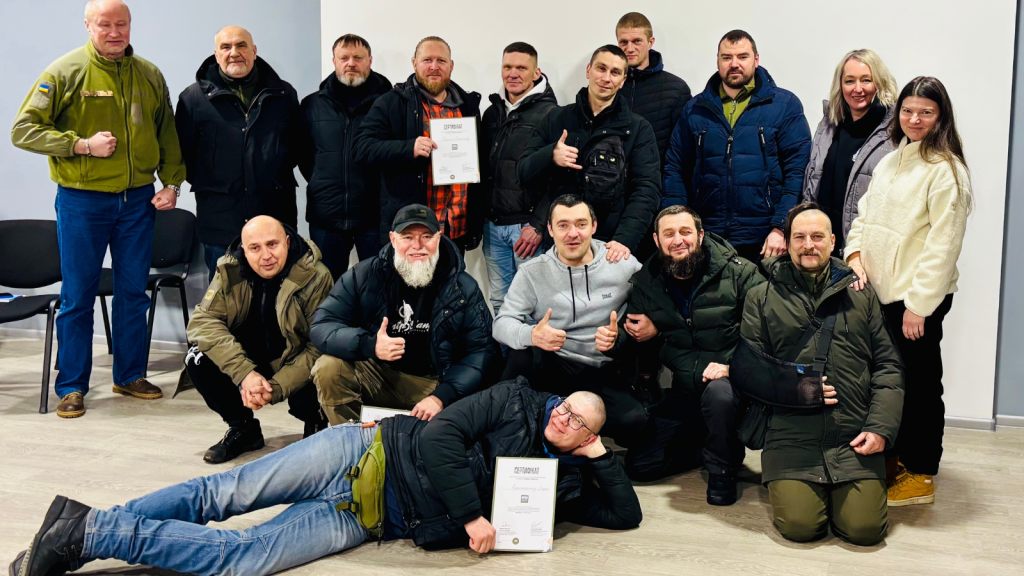
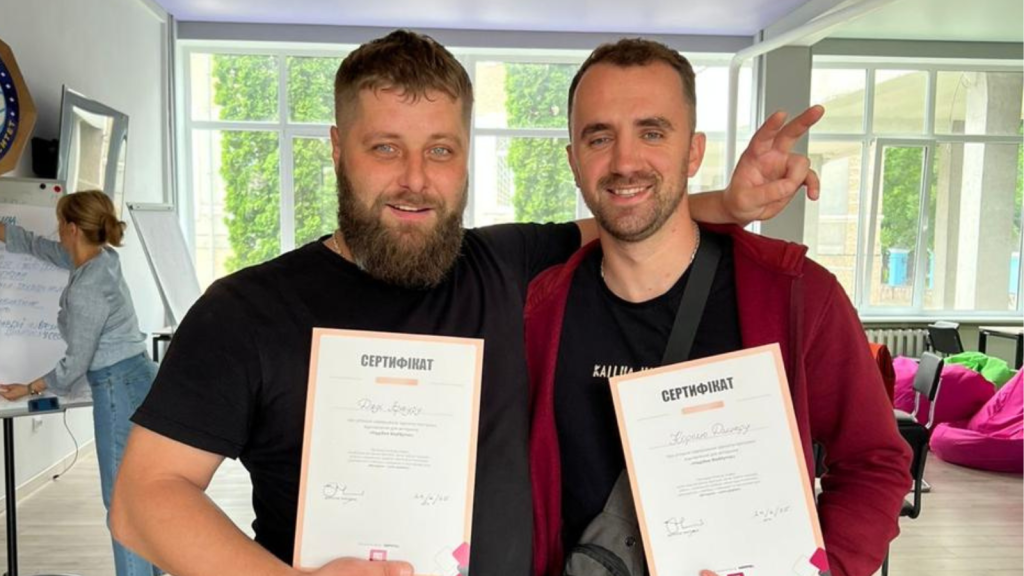
The peer-led, non-clinical programme draws on a 135-page Personal Guide developed specifically for Ukrainian veterans, a full 130-page Facilitator Manual, and an ongoing training for those, who want to take the next step and lead programme groups for their brothers in arms.

Meet the team

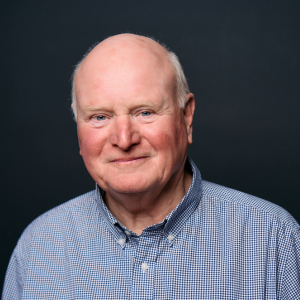
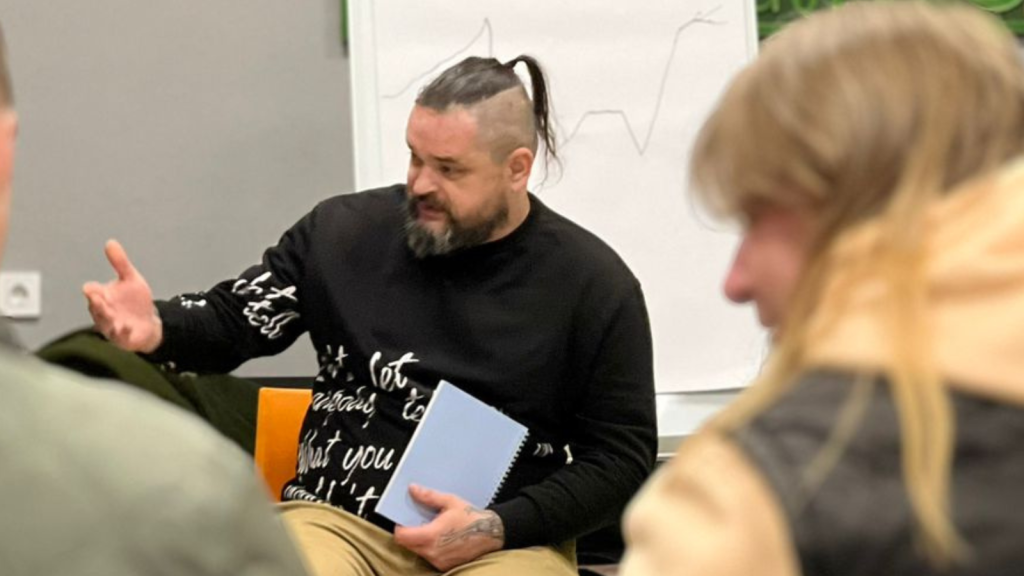
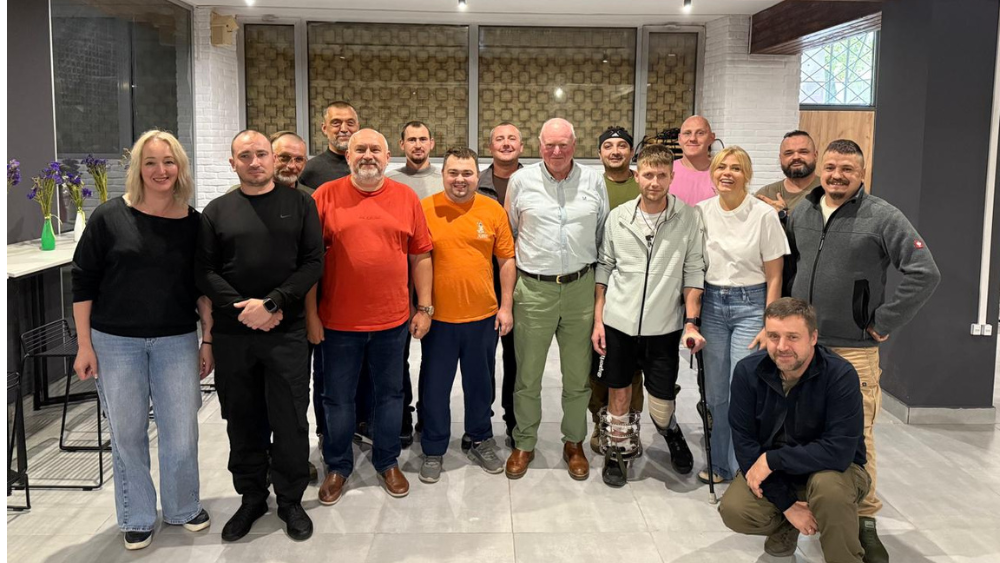
The programme was created by Simon Edwards, a British Army veteran and Churchill Fellow who spent 12 years designing veteran rehabilitation programmes (including Help for Heroes in the UK). It was built and adapted with Ukrainian professionals and veterans, who made it genuinely their own.

Simon Edwards

Author and Programme Director

British Army veteran, Churchill Fellow, internationally recognised expert in veteran rehabilitation and trauma recovery, social entrepreneur and leadership specialist.

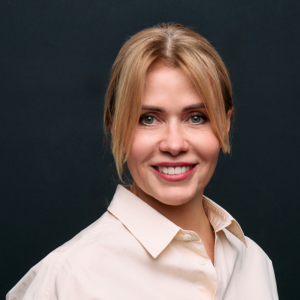
Yuliia Bashlakova

Co-author and Clinical Director

Ukrainian clinical psychologist and trauma therapist. Author of psychodiagnostic and therapeutic tools. Public speaker and lecturer on trauma, recovery and mental health innovation. 

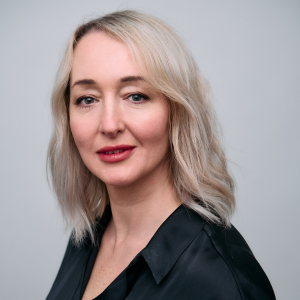
Olga Nechaeva

Co-author and Ops Director

British facilitator, communications specialist, published author and entrepreneur. Recognised mental health advocate and long-time volunteer supporting the Ukrainian military.

We believe that veterans are not a problem to be solved, but a force for renewal. By supporting recovery through the peer-led veteran community, we are investing in the victory, resilience, and strength of Ukraine.”

In just over a year

  • Created and tested a full structured recovery programme with a 135-page Personal Guide
  • Developed a complete Facilitator Manual and training curriculum
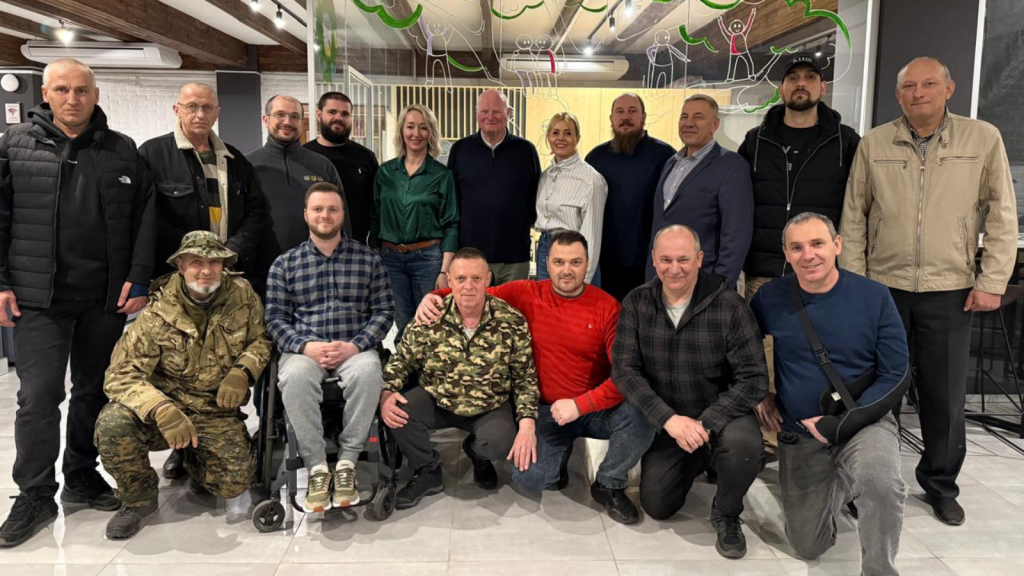
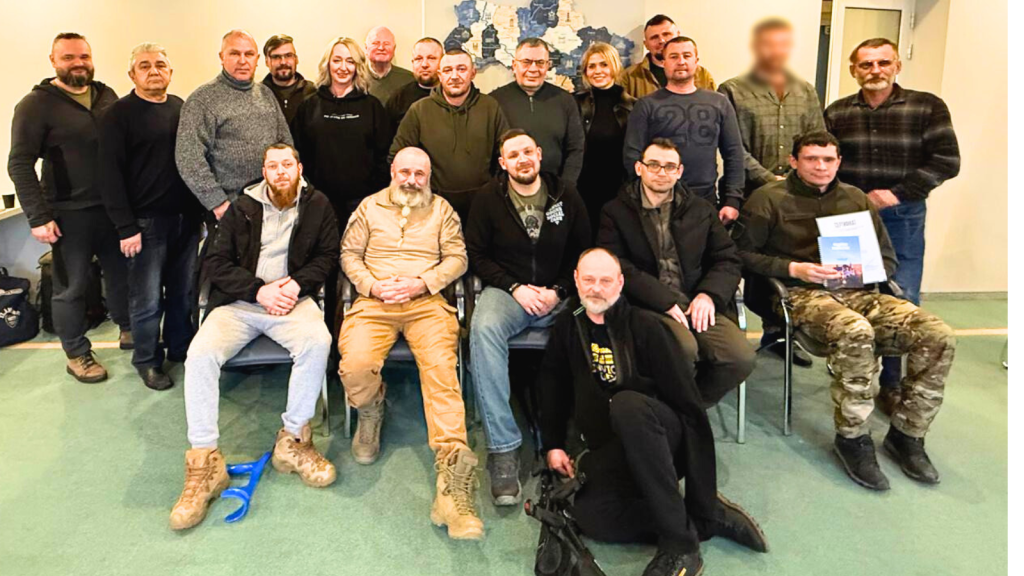
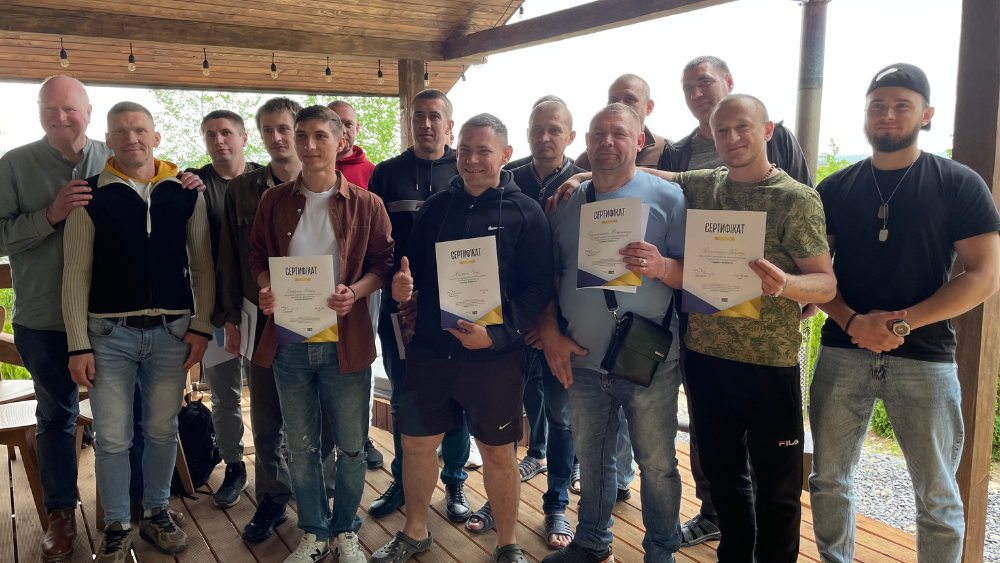
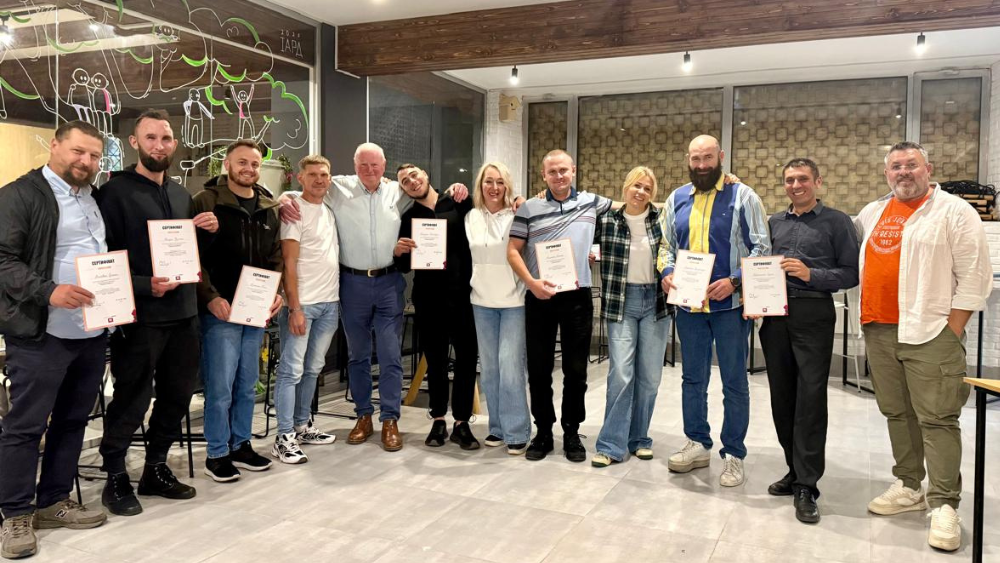
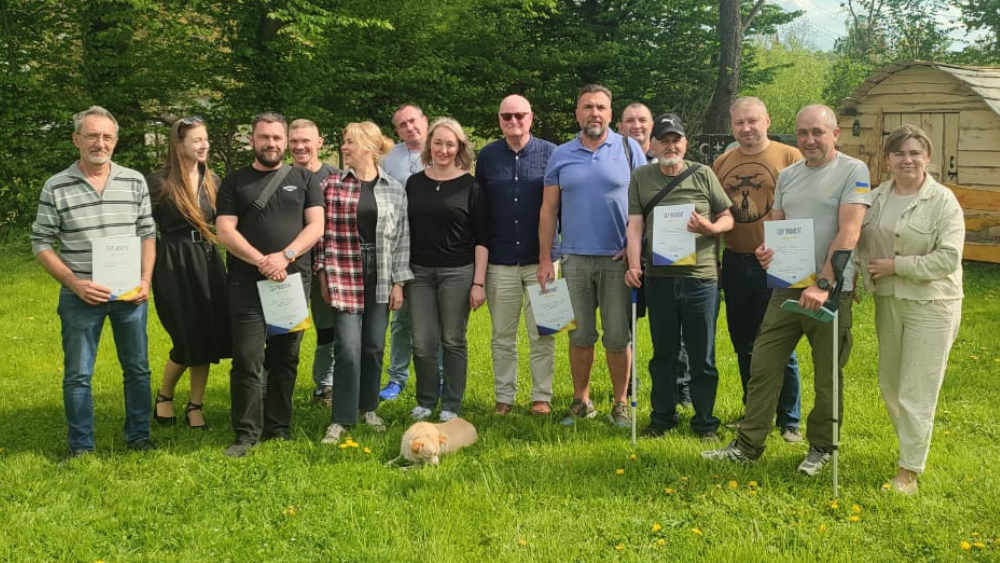
  • Ran 3 facilitator training seminars, introducing 35 potential veteran-facilitators to the approach
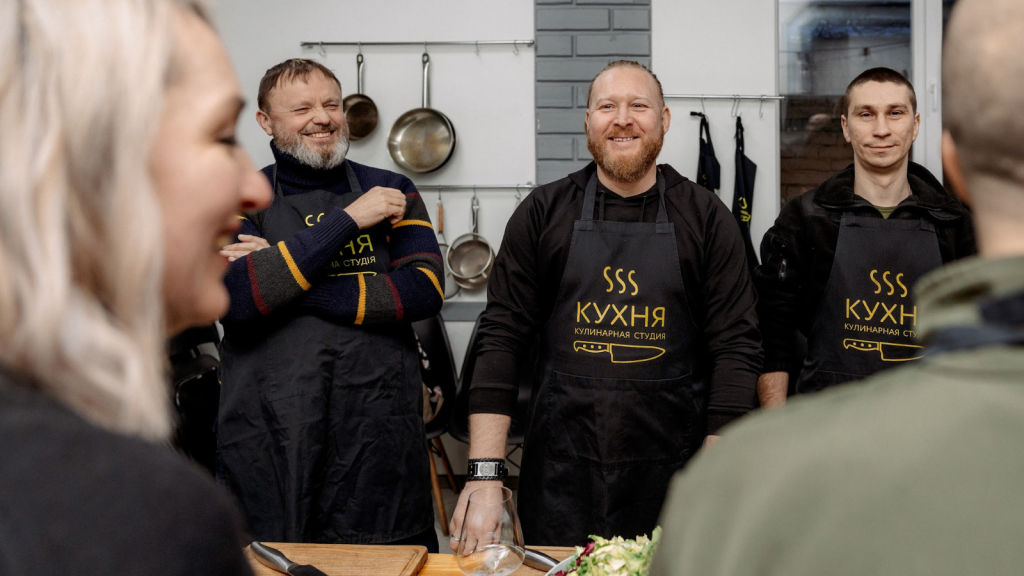
  • Launched a peer-mentoring alumni community generating civil, sports and business projects
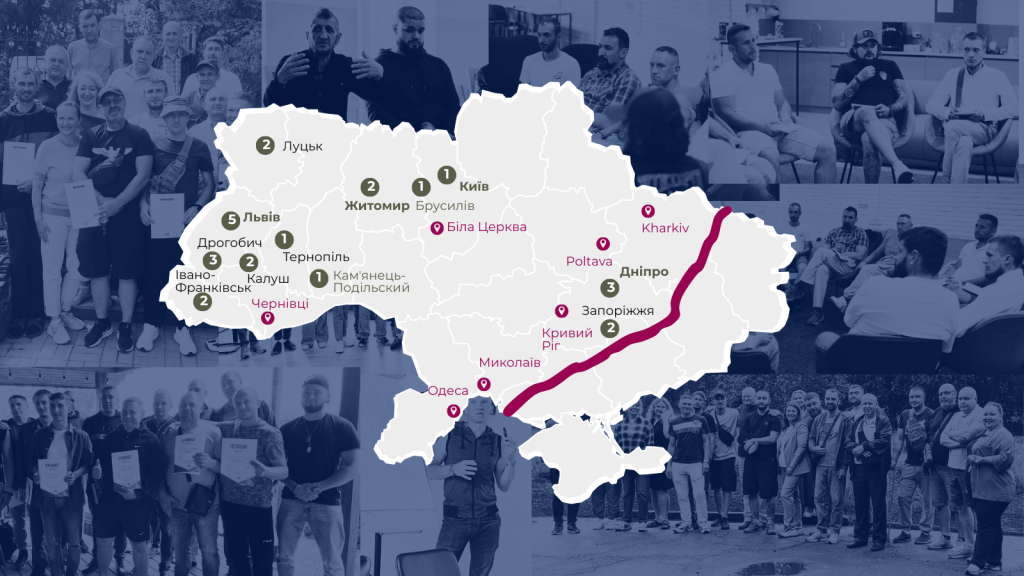
  • Establshed collaboration with 26 partners: veteran centres, universities, veterah rehabilitation NGOs, veteran communities and local authorites in 12 cities
1
groups delivered
1
veterans supported
1
towns across Ukraine
1
partners

Supported by the Committee of Veteran Affairs of the Ukrainian Parliament and recommended as one of the two most effective programmes in Ukraine.

Real people. Real lives restored.

One veteran put it into words…

In the darkness of nights where the shells and the pain never cease,
You reached out your hand — and the light came.
Hopeful Future — not words on a page,
But a warm embrace for those who came home from the war.

You, who left pieces of yourselves in the trenches,
Who woke in the night with the blood still behind your eyes —
You have a place now where wounds are tended gently,
Where the heart learns, again, to beat steady and quiet.

Here, there are those who will listen without judgement,
Who will help the body remember what it used to know,
Friends who will understand without words or explanation,
And a future — the one you fought your way back to claim.

Thank you to all who built this harbour
For the warriors who fought for us to live free.
You heal the souls that were close to breaking,
And give hope — the most precious gift of all.

May everyone who passes through your programme
Feel this: life did not end in that hell.
Ahead lies the dawn — work, family, dreams,
And a strong, a hopeful, a beautiful future.

a poem by Ihor Dmytrenko, a veteran, father of a veteran, father of a fallen hero.

Find us in Ukraine

Hopeful Future is operating in Ukraine through NGO “Hopeful Future-Ukraine”. For groups, facilitators, news and programme updates in Ukrainian — visit hopefulfuture.com.ua →

Help us help more veterans!

Every group that runs is because someone decided it mattered
Menu