They fought. They came home. Now what?
Ukraine has millions of veterans. Many have served for years. They have watched friends die, made impossible choices, and endured things that cannot be explained to people who weren’t there.

Ukraine has millions of veterans. Many have served for years. They have watched friends die, made impossible choices, and endured things that cannot be explained to people who weren’t there.
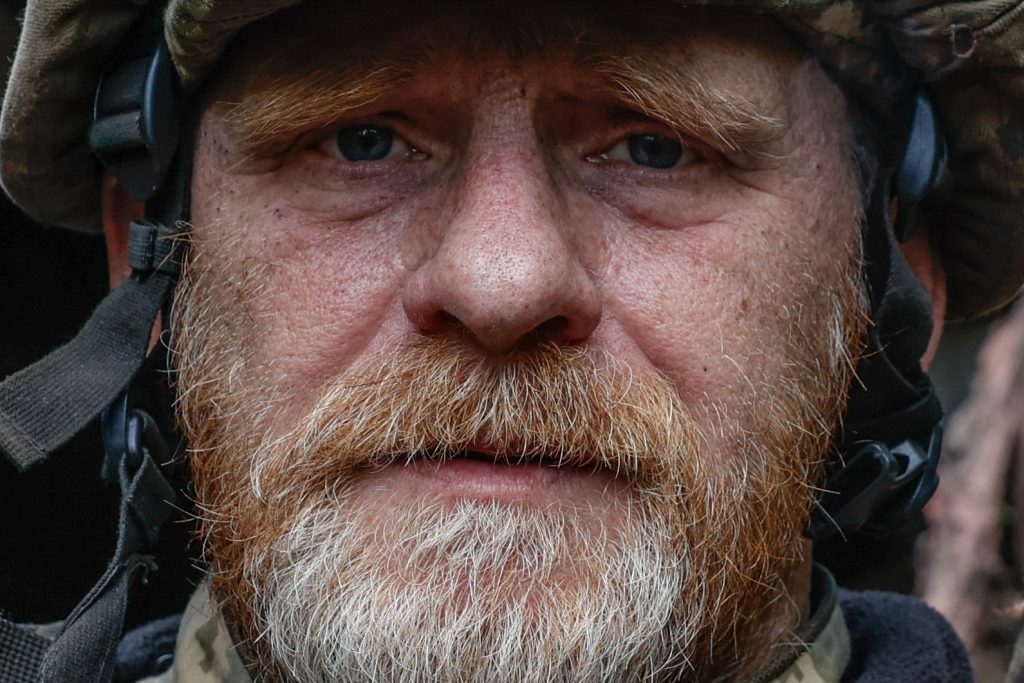
A war-hardened, emotionally withdrawn fighter does not draw much sympathy. He does not ask for help. He has spent years giving everything for others, and he comes back not knowing who he is anymore – carrying guilt for those who did not return. Because he does not reach out, almost no one reaches in.
We do.
When I lost my leg, I was bleeding, dying. Later in the hospital, I wanted to kill myself. But then I realised – if I do that, I betray those who were wounded saving me. People think it’s PTSD. But the hardest thing is not fear or pain, it’s guilt. The feeling that I didn’t save enough people. You don’t heal this by forgetting. Everything I lived through – captivity, pain, humiliation – can help someone else survive. This is why I am alive.”
a veteran, participant of the ‘Hopeful Future’ programme
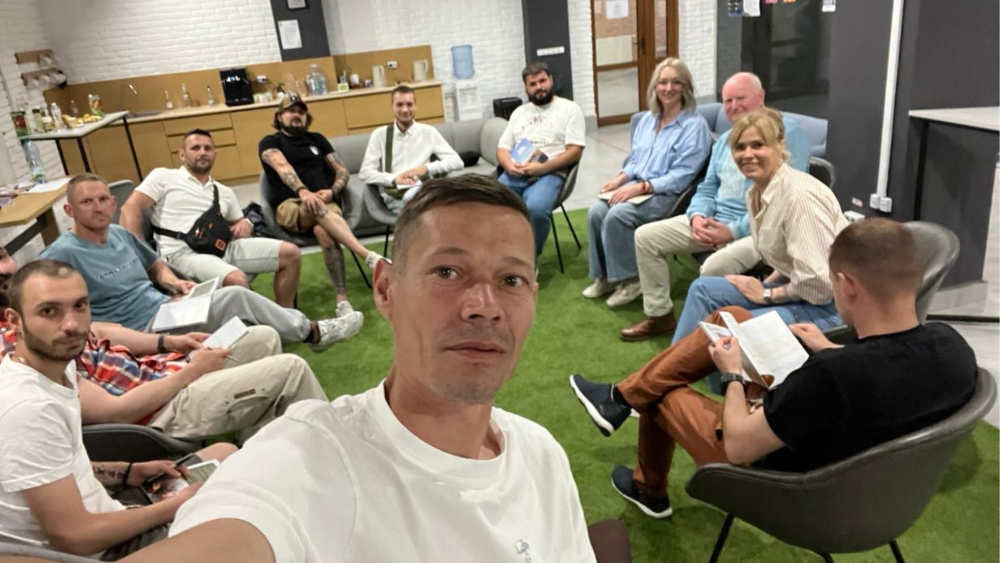
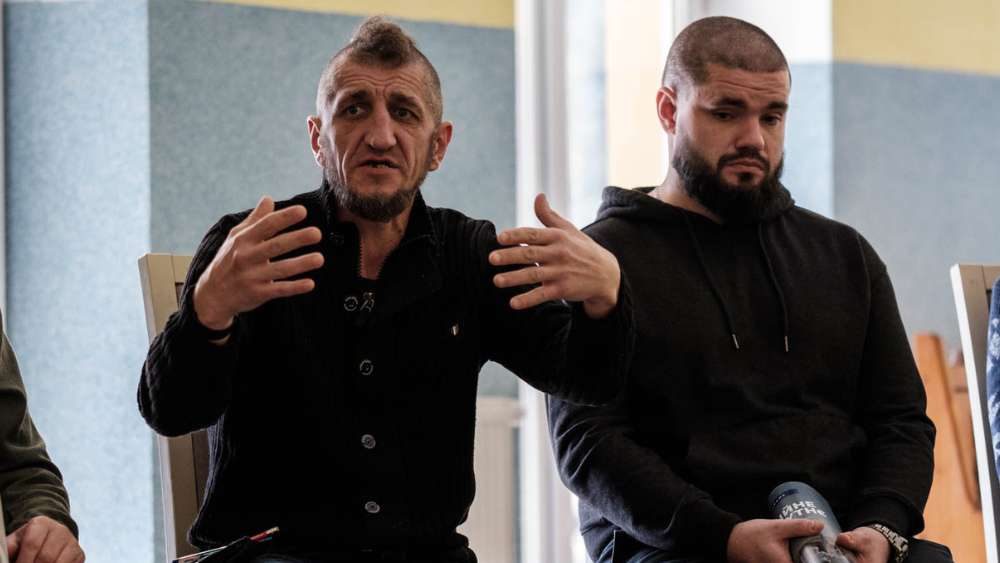
Hopeful Future brings veterans together in small groups for three days, led by veteran facilitators.
They go through the structured programme together, using the experience of frontline brotherhood as a bridge to rebuilding connection with themselves and the wider world.
Many describe it as the first time since leaving service that they felt genuinely seen and understood. They find new purpose, new friendships, a new direction.